
Intersections – The 2026 Yearbook
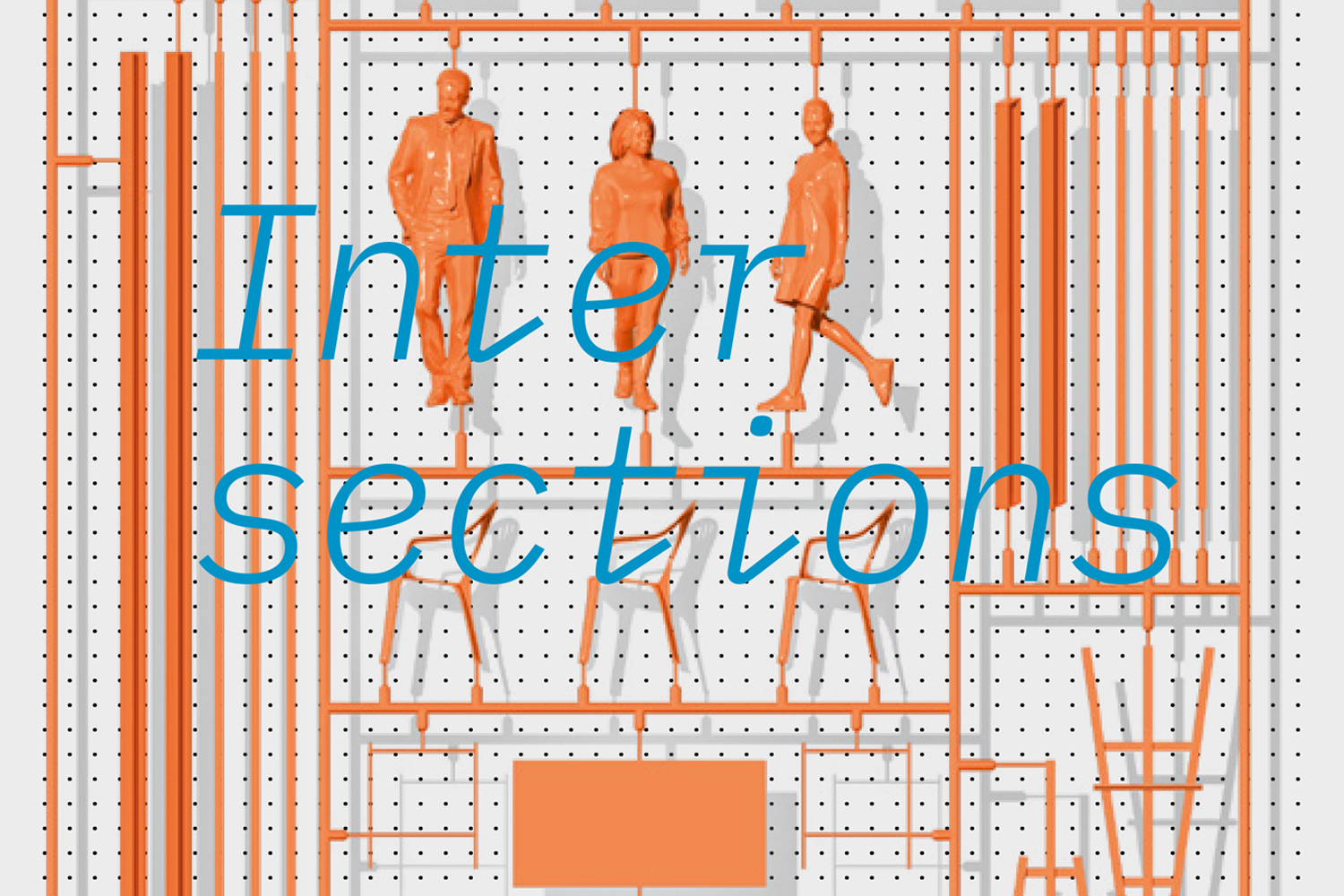
In this yearbook, we look back on the Department’s activities from April 2025 through March 2026. The yearbook illustrates—more vividly than institutional missions, examination regulations, and module handbooks—who we are and what we stand for. It brings together achievements in teaching and research from the past year, as well as numerous activities that have an impact at KIT and far beyond the Department. The 24 professorships represent outstanding expertise in architecture and art history across a wide range of topics in the divisions of technology and theory, urban and rural contexts, history and art, and much more, shaping the diverse and unique character that, taken together, defines our department.
Contributions to the feature section:
Prof. Dr. Barbara Engel, Dr. Peter Zeile
: Urban Transformation. Connecting Urban Sustainability Labs.
The conference, held as part of Science Week 2025, addressed the challenges and potential solutions for sustainable urban planning and urban transformation, with a focus on reality labs as central, transdisciplinary research formats.
Dr. Marco Silvestri
,
“Architects and Engineers
: Journeys in the Polytechnic Culture — Networks, Media, and New Destinations Since 1794” examined how travel has shaped polytechnic knowledge, networks, and architectural education since 1800—from the Grand Tour through the polytechnic revolution to postwar and GDR mobility. The central question was what impact these forms of travel and knowledge transfer had on professional roles, education, and architectural practice within international institutions.
Rebecca Steinbach, Niklas Erlewein
Domino Zirkular
Domino Zirkular investigates how reclaimed wood and dismantled building components can be integrated into multi-story residential construction through reusable, sort-separable structures. Through a combination of research, teaching, and practical implementation, a roughly 70 m² demonstrator is being developed in the Weissenhofsiedlung to test the potential and challenges of circularity in construction and to create transferable approaches.
Federico Garrido
Baukasten Karlsruhe
The exhibition “Baukasten Karlsruhe” uses twelve case studies to examine architecture as part of infrastructural, social, and ecological networks and challenges the isolated consideration of individual buildings. Based on the modular principle, it presents Karlsruhe as a city that has evolved historically, whose diversity stems from a variety of architectural approaches.
Lisa-Maria Behringer, Prof. Dirk E. Hebel
Tukul 2.0
The Tukul 2.0 project combines traditional Ethiopian building methods with modern rammed earth techniques to further develop sustainable, locally rooted, and culturally adapted construction methods. During a joint construction week organized by KIT and Addis Ababa University, a prototype was created that demonstrates the technical reliability and ecological potential of rammed earth construction, as well as the value of intercultural knowledge exchange.
Prof. Christian Inderbitzin, Niklas Nalbach
Territory and Raw Materials
The text shows how architecture is shaped by local materials, climatic conditions, and traditional construction techniques, illustrating this using the Mallorcan limestone Marès. Using Jørn Utzon’s Can Lis and contemporary social housing projects as examples, the text demonstrates how regional building materials and traditional construction methods can be combined with industrial materials to enable climate-adapted, resource-efficient, and identity-forming architecture.
Andreas Rossmann
:
25 Years of the Ruth and Erich Rossmann Foundation
The Ruth and Erich Rossmann Foundation was established in 2000 to support architecture graduates from the University of Karlsruhe by providing scholarships for training and continued education abroad. Over the past 25 years, 15 graduates have received funding; since 2024, support has also been extended to shorter study programs and bachelor’s degree graduates.
Intersections
The name of the yearbook—Intersections—also reflects the Department’s mission. Seeking points of intersection with other departments, looking beyond one’s own horizons, networking with others, and forming alliances to create synergies are essential prerequisites and means for developing holistic and sustainable contributions to the understanding and design of our environment.
Yearbook 2026
German/English